Introduction
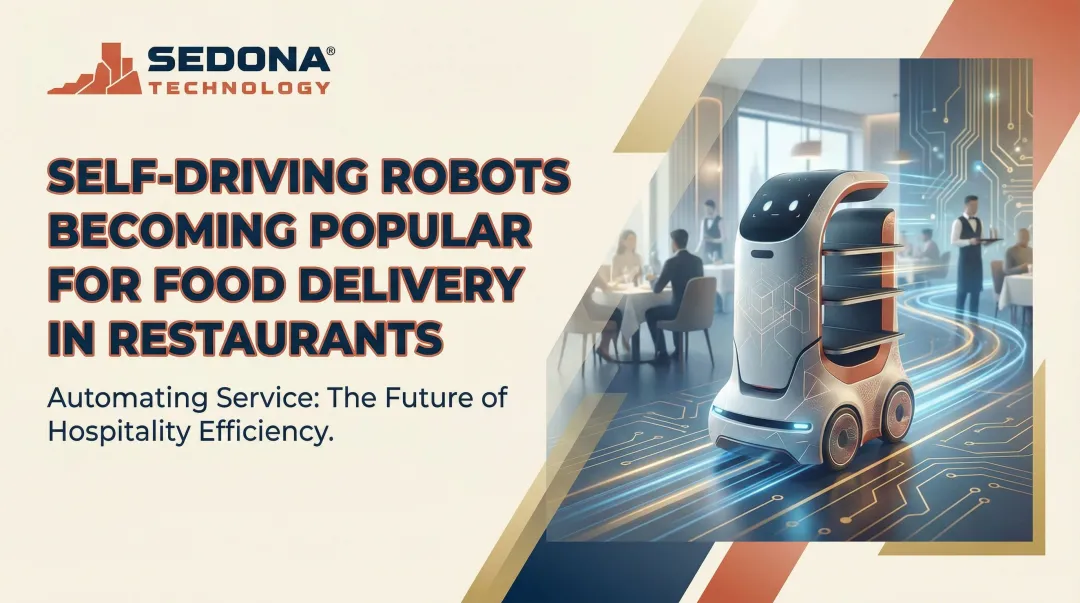
Picture this: A robot glides between packed tables, balancing steaming plates of pasta and sizzling fajitas while your servers focus on greeting guests, answering menu questions, and building genuine rapport. That's already happening in thousands of restaurants across the United States.
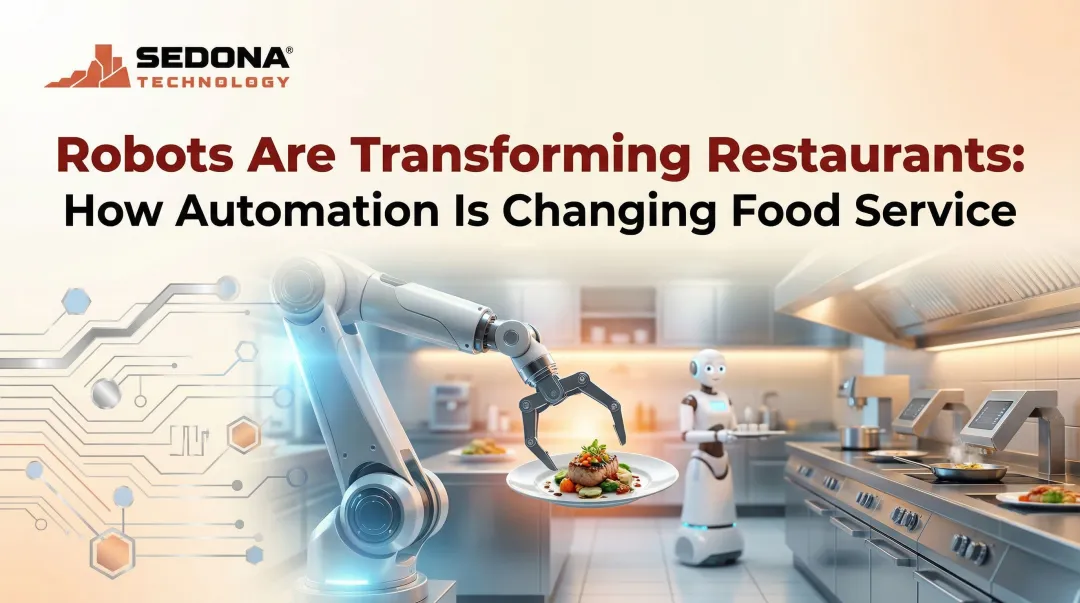
Robot servers have evolved from novelty attractions into practical labor tools that address one of the industry's most pressing challenges: persistent staffing shortages and physical burnout. With the U.S. food service sector experiencing a 4.2% quits rate and restaurants facing 2.4 injury cases per 100 full-time workers, operators are turning to autonomous robots to protect their teams and maintain service quality.
This guide answers the core questions every restaurant operator asks: What exactly are robot servers? How do they work? What do they cost? And, most importantly, are they right for your operation?
TLDR — Key Takeaways:
- Robot servers are autonomous machines handling food delivery and bussing alongside human staff
- They enhance rather than replace servers, allowing staff to focus on guest experience
- Costs range from $10,000–$20,000 to purchase or $750–$1,500/month to rent
- Best suited for high-volume table-service restaurants facing staffing challenges
- Setup takes 1-2 days with floor mapping and staff training included
What Is a Robot Server?
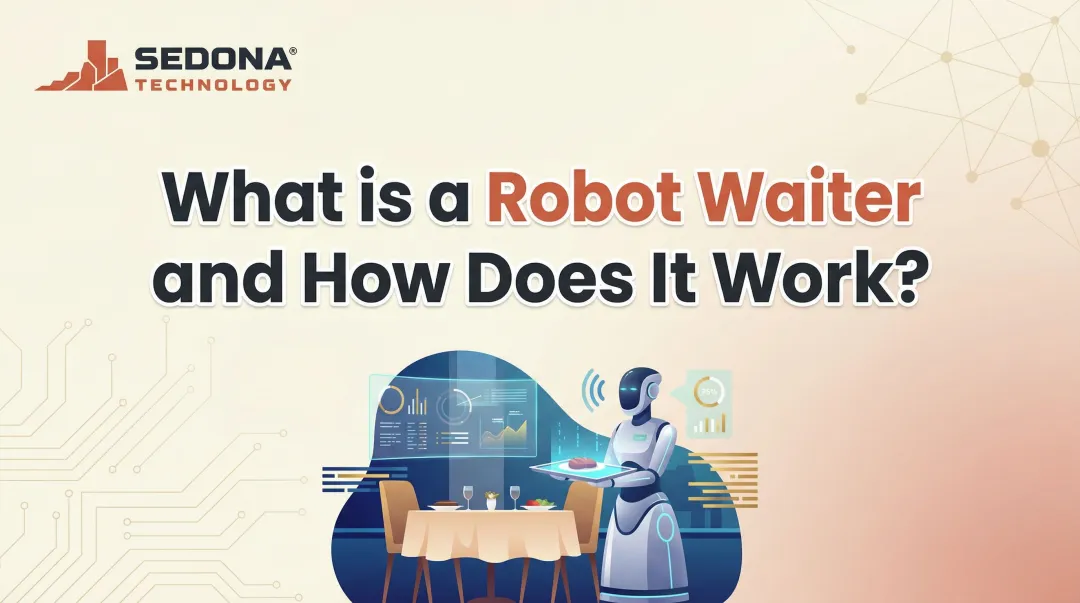
A robot server is an autonomous, AI-driven machine designed to assist restaurant front-of-house staff by handling repetitive physical tasks—primarily food delivery from kitchen to table and bussing dirty dishes back to the dish pit. These robots are not replacements for human servers. They function as labor support tools, freeing staff from physically demanding tasks so they can focus on customer interaction, order accuracy, and guest satisfaction.
How Robot Servers Navigate Restaurant Floors
Modern restaurant robots rely on layered sensor systems to move safely through crowded dining rooms:
- LiDAR sensors create detailed 2D maps of the space
- RGB-D depth cameras detect obstacles in real-time
- Infrared sensors provide 360-degree awareness
- Obstacle detection software stops the robot in as little as 0.5 seconds when someone steps into its path
Leading models like Pudu's BellaBot detect obstacles up to 5,400 times per minute, ensuring safe operation even during peak dinner rushes. Bear Robotics' Servi uses similar self-driving technology with near-zero blind spots.
How a Robot "Learns" Your Restaurant
The onboarding process is straightforward. A technician physically pushes or drives the robot through your dining room to create a 2D floor map. Using cloud-based software, operators then annotate this map with table numbers, kitchen pickup zones, and restricted areas. Mapping a 1,000-square-foot space with 10 tables takes about 14 minutes.
Once mapped, the robot stores this layout permanently. Staff simply load dishes onto the robot's trays, input the destination table number via touchscreen, and dispatch it.
Basic Interaction Features
Once deployed, the day-to-day interaction is minimal by design. Restaurant robots include several user-friendly features:
- Touchscreen tablets for assigning delivery tasks
- Tray-weight sensors that detect when items are picked up or placed down
- LED displays showing status and destination information
- Pre-programmed voice phrases like "Please take your food" or "Excuse me, coming through"
What Robot Servers Don't Do
One misconception worth clearing up: robot servers do not take food orders. Order capture remains strictly with human staff, POS systems, or tableside QR codes. The robot's role is purely transportation—carrying prepared dishes from kitchen to table and returning dirty plates to the dish pit.
Types of Restaurant Robots
Not all restaurant robots do the same job. Each type targets a specific front-of-house task, so most operators mix and match based on where their service gaps actually are.
Common Robot Types
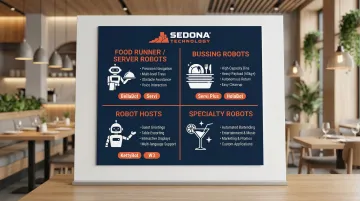
Food Runner/Server Robots (Most Common)
- Carry trays from kitchen to tables
- Handle up to 88 lbs per trip
- Examples: Pudu BellaBot, KEENON Dinerbot T10, Bear Robotics Servi
Bussing Robots
- Return dirty dishes to kitchen or bus station
- High payload capacity for stacked plates and glassware
- Examples: Bear Robotics Servi Plus, Pudu HolaBot
Robot Hosts
- Greet and seat guests
- Display promotional content on built-in screens
- Examples: Pudu KettyBot, KEENON W3
Specialty and Novelty Robots
Specialty robots go further than food delivery — some handle beverages, others are built to generate foot traffic and social media attention:
Bartender and Barista Robots
- Automate beverage preparation in high-volume environments
- Used in casinos, event spaces, and large venues
- Examples: Makr Shakr, Richtech Robotics ADAM
Entertainment-Focused Robots
- Feature expressive displays, cat faces, and interactive conversations
- Sing birthday songs and respond to being "petted"
- Drive social media engagement and foot traffic
- Example: Pudu BellaBot with bionic cat design
Most restaurants start with a food runner or bussing robot, then layer in additional types as they see where the time and labor savings stack up. A single robot can cover multiple zones in a smaller dining room, while larger venues often run dedicated units per function.
Key Benefits of Robot Servers for Your Restaurant
Labor Support and Staff Wellbeing
Restaurant work is physically demanding. With the industry experiencing a 4.2% quits rate and 2.4 injury cases per 100 full-time workers, robots directly address burnout by:
- Carrying 40-88 lbs of dishes per trip, eliminating heavy lifting
- Reducing back and shoulder strain from repetitive tray carrying
- Acting as a "force multiplier" that allows each server to cover more tables simultaneously
- Saving approximately 20 labor hours per week per robot
Operational Consistency
Robot servers deliver the same performance every shift, without exception:
- No call-outs, late arrivals, or last-minute no-shows
- No break requirements
- Consistent service quality, shift after shift
- Full capacity during peak hours, with no fatigue
This consistency reduces scheduling headaches in markets facing ongoing labor shortages.
Higher Server Earnings and Guest Satisfaction
Servers working alongside robots experience measurable benefits:
- Take fewer steps per shift
- Flip tables 15-20% faster
- Spend more time engaging with guests
- Earn higher tips due to improved service quality
Marketing and Novelty Value
Beyond the floor, robot servers deliver a marketing effect that's hard to replicate. When McDonald's Slovenia deployed Pudu's BellaBot, the TikTok video generated millions of views worldwide. Restaurants report customers visiting specifically to film robots for Instagram and TikTok — setting them apart from local competitors without spending a dollar on ads.
Operational Data and Floor Plan Insights
Robot platforms generate nightly operational reports showing:
- Miles traveled
- Weight carried
- Route efficiency
- Bottleneck identification
This data helps managers make informed decisions about floor plan optimization and ROI measurement.
Limitations to Consider Before You Invest
Physical and Environmental Constraints
Robot servers cannot operate everywhere. Key limitations include:
- Single-floor only — stairs are not navigable
- Slopes exceeding 5-7 degrees risk tipping or spills
- Door thresholds above 0.5 inches can block movement
- Outdoor use is not supported — sunlight and uneven terrain disrupt sensors
Space Requirements
Robots need consistent aisle widths to navigate safely:
- Minimum aisle width: 55-70cm (approximately 22-28 inches)
- Clear, consistent pathways without frequent furniture rearrangement
- Dedicated charging or standby station in some models
Tight dining rooms, unconventional layouts, or frequently rearranged floor plans reduce navigation reliability and delivery consistency.
Upfront Investment and Maintenance
Beyond the physical requirements, budget planning matters. Whether purchased or rented, robots carry ongoing costs:
- Periodic software updates
- Occasional technical support
- Standard 1-year warranty coverage
- Approximately $1,500 annually for out-of-warranty maintenance
Factor these costs into your total cost of ownership before committing to a system.
The Real Cost: Buying, Renting, or Leasing a Robot Server
Purchase vs. Rental Pricing
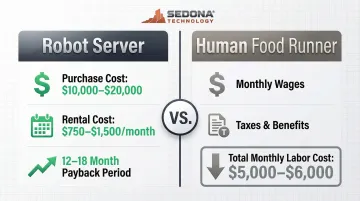
Restaurant robots typically cost:
- Purchase: $10,000–$20,000 outright
- Rental: $750–$1,500 per month
To put this in context, a human food runner costs $5,000–$6,000 monthly in wages, payroll taxes, and benefits. Operators report a payback period of 12-18 months for purchased robots in high-volume environments.
Long-Term ROI for Ownership
For high-volume restaurants, purchasing a robot delivers strong ROI when:
- Table turnover rate is high (15-20% improvement documented)
- Existing labor costs are significant
- Service volume justifies continuous operation
- Physical space meets navigation requirements
Benefits of Renting or Leasing
Renting allows operators to:
- Test technology without large capital outlay
- Scale up or down based on seasonal demand
- Return the robot if it doesn't fit operations
- Access the latest models through upgrade programs
Leasing sits between these two — structured financing spreads the cost over time without the upfront commitment of an outright purchase.
How Sedona Technology Structures Acquisition
Sedona Technology offers all three paths, each with free installation, training, and ongoing support included:
- Purchase the robot outright for long-term, high-volume deployment
- Rent with a minimum 2-month period — practical for testing or seasonal spikes
- Lease through a financing partner to spread costs with predictable monthly payments
No option requires you to figure out setup on your own.
Is a Robot Server Right for Your Restaurant?
Best-Fit Restaurant Profiles
Robot servers deliver the most value in:
High-Volume Table-Service Restaurants
- Heavy dish loads justify continuous robot operation
- Wide aisles and predictable floor plans accommodate navigation
- Staffing shortages create operational bottlenecks
Hot Pot and Asian Dining Concepts
- Pioneered robot adoption due to heavy, liquid-based menu items
- High table turnover rates maximize robot utilization
- Tech-forward dining culture in these concepts drives customer buy-in
Casual Dining Chains
- Consistent layouts across locations simplify deployment
- Labor cost pressures drive automation investment
- Family-friendly atmosphere welcomes novelty factor
Hotel Restaurants
- Extended operating hours benefit from robot consistency
- Guest expectations include technology integration
- Marketing value attracts hotel guests
When Robots May Not Fit Yet
Consider waiting if your restaurant has:
- Very small footprint with tight aisles (under 22 inches)
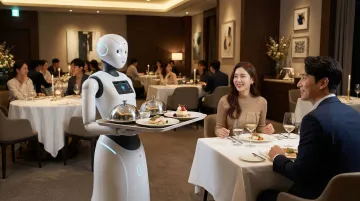
- Fine dining where highly personalized tableside service is core to your value proposition
- Multi-level dining rooms or outdoor patio-heavy layouts
- Pop-up or temporary operations where setup investment doesn't pay off
Take the Next Practical Step
If your restaurant clears those hurdles, a structured self-assessment is the logical next move. Before committing, review:
- Current staffing pain points and turnover rates
- Average daily covers and table turnover speed
- Floor plan dimensions and aisle widths
- Budget for capital investment or monthly rental
Sedona Technology offers free consultations and handles installation and training — so you can evaluate fit without committing to a full purchase upfront. Rental options starting at two months also let you test robot performance in your actual environment before scaling.
Frequently Asked Questions
What is a robot server?
A robot server is an autonomous, AI-powered machine designed to assist restaurant staff with front-of-house tasks like food delivery and table bussing. It works alongside humans, not in place of them, handling repetitive physical tasks so staff can focus on customer interaction.
How much does a restaurant robot cost?
Restaurant robots typically cost $10,000–$20,000 to purchase outright or $750–$1,500 per month to rent. Leasing is also available through select suppliers, avoiding large upfront costs.
Will robot servers replace human waitstaff?
No. Robots handle physical tasks like carrying heavy trays, freeing staff to focus on guest interaction, menu recommendations, and service quality—often resulting in better tips and higher table turnover.
What types of restaurants are best suited for robot servers?
High-volume casual and table-service restaurants, hot pot concepts, hotel dining, and operations with recurring staffing shortages benefit most. Restaurants with wide aisles, predictable floor plans, and heavy dish loads see the strongest ROI.
How long does it take to set up a robot server in a restaurant?
Setup typically takes one to two days with an on-site engineer who maps your space and programs table destinations. Staff training is included before the robot goes live.
Do robot servers interact with customers?
Most robot servers have voice phrases, LED displays, and some interactive features. Advanced models can hold basic conversations, sing birthday songs, or tell jokes. However, deeper customer interaction—taking orders, answering menu questions, handling special requests—remains with human staff.